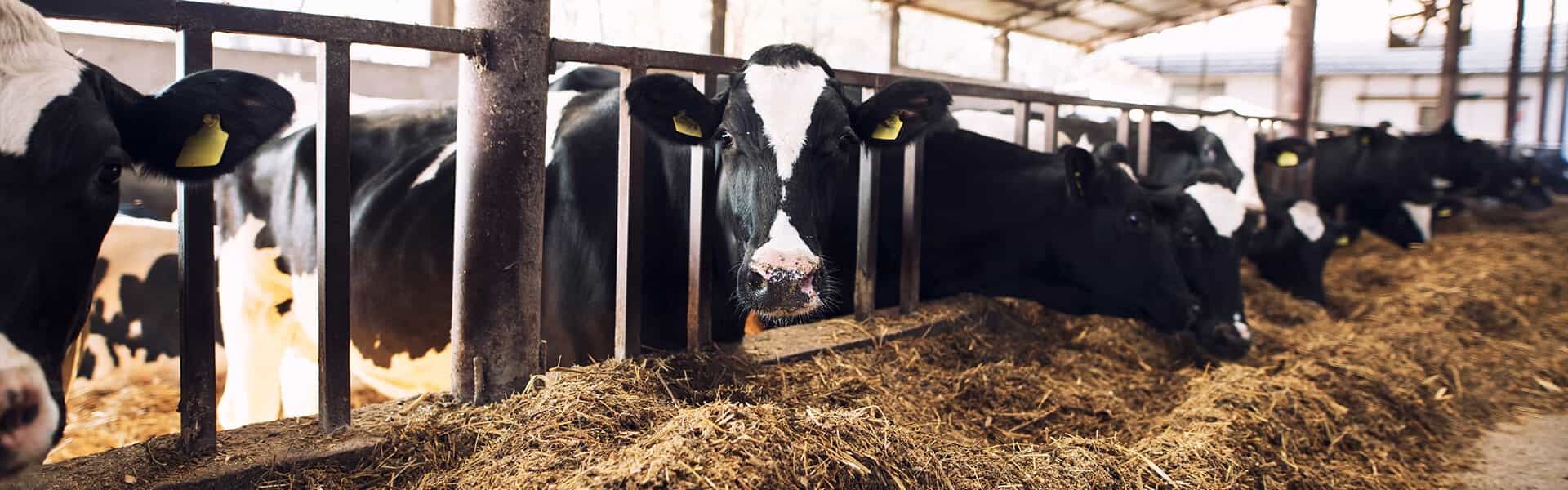
Modernisation is transforming the production rate in the agricultural industry, and feedlots are no exception. Consider expanding your existing operation to capitalise on this shift and achieve exponential growth. However, it is always important to remember that alongside business success, the well-being of your cattle must always be a top priority. That is why adhering to key principles during feedlot construction or expansion is crucial.
We at Chemvet Steel & Fencing are at the forefront of innovation for this growing industry and we recognise that expanding existing feedlots can significantly improve feed efficiency, leading to a more sustainable and profitable future for meat farmers.
Basic Design Principles in Feedlots that Consider Production Growth
Your feedlots’ original planning and design should always consider the possibility of expansion. Factors such as access to water and feed, holding pen size, as well as adequate drainage, will have to be reconsidered, increased, and readjusted as your business scales.
- Increase in Herd Density
The animals in feedlots need to move around comfortably, and adding to the herd without extending the size of the feedlot can lead to practical complications and compromise the well-being of the animals. When it comes to making sure that there is ample space in a feedlot, bear in mind that cattle require 13 to 15m2 per head and sheep around 4m2. This gives you an indication of the extra land needed for your growing herd. A bigger area also makes it easier for handlers to check the animals for any injuries or diseases. Whilst expanding the feedlots, consider separating smaller framed cattle from larger ones to prevent possible injuries.
- Water Requirements
On average, cattle consume up to 55 litres of water daily and sheep, 5 litres. If you want to operate a larger feedlot, you need to ensure that the current water supply is more than adequate. We would also suggest that you have adequate reserves for up to 3 days in case there is a problem with supply pumps or in the event of power outages.
- Feed Facilities
Optimising feed storage is vital for any feedlot operation. The number of animals dictates the size of your feed facility. Expanding on your existing set-up must ensure that various dietary components are kept organised and readily accessible. Silos and partitioned enclosed sheds provide the most convenient food-storage solutions. From there, your precisely formulated blends can be mixed and delivered to feed troughs, ensuring maximum nutrition for your growing herd.
While economic viability is the cornerstone for feedlots, choosing a suitable site and implementing environmentally sustainable practices, such as functional stormwater drainage, are crucial aspects for both new and existing feedlots. At Chemvet Steel & Fencing, we recognise the importance of meticulous planning in expanding meat-production facilities, and we are here to guide you through the process.
Fully Customised Fencing and Steel Solutions
As the leading manufacturer and supplier of steel and fencing products for over four decades, we are committed to bringing affordable solutions to the agricultural sector. From the expansion of crushes and work alleys to building sturdier fences for your feedlots, the design objectives of our feedlot production pens will always provide an environment where production performance and animal welfare are maximised. Contact our team today. We are here to provide you with expert advice for your feedlot expansion.