Feedlot Construction in South Africa: What You Need to Plan, Build, and Run an Efficient Operation
Animal welfare, operational efficiency, and long-term profitability should guide every livestock infrastructure project. A well-planned feedlot creates an environment where cattle can remain healthy, comfortable, and productive throughout the feeding cycle. Chemvet Steel & Fencing would like to explain the considerations and components needed for a successful and efficient operation.
Planning a Feedlot for Long-Term Success in South Africa
Successful feedlot construction in South Africa starts with careful planning to help prevent costly mistakes and to promote efficient daily management. Several factors require consideration during the planning phase:
- Site Selection: The site should have good natural drainage to minimise mud accumulation and maintain healthier pen conditions. Easy access for feed delivery vehicles, livestock transport, and farm machinery is also essential. In addition, choosing a site with sufficient room for future expansion can provide valuable opportunities as operational requirements grow.
- Water Availability: Water infrastructure should be designed for livestock’s daily consumption and periods of increased demand during warmer weather. Careful planning of water points and distribution systems can help maintain consistent access throughout the facility.
- Environmental and Legal Requirements: Local regulations and environmental considerations may influence the placement and layout of a feedlot facility. Factors such as waste management, drainage control, and environmental protection measures should be evaluated during the planning stage. Proper planning assists with compliance and responsible livestock management.
- Operational Flow: The movement of cattle, feed, vehicles, and personnel should be carefully considered before construction begins. An efficient layout can reduce labour requirements, improve safety, and simplify daily operations. Well-planned traffic routes and handling areas contribute to smoother workflows and help minimise unnecessary stress on livestock.
Elements of Effective Feedlot Design
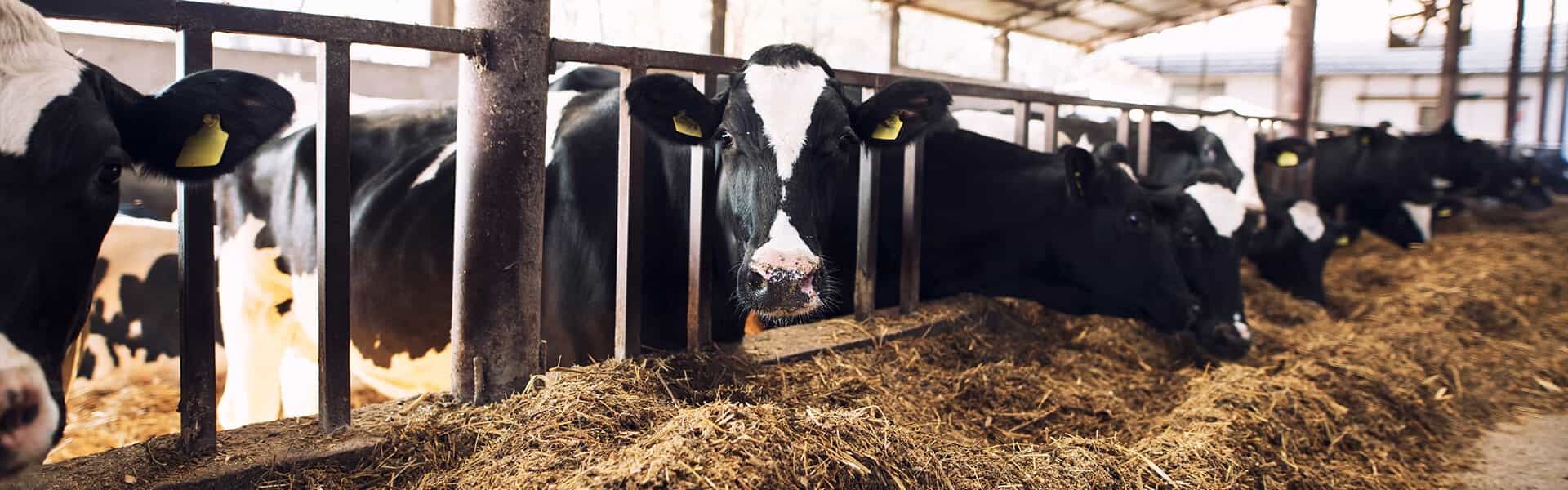
A practical feedlot design focuses on animal comfort, accessibility, drainage, and efficient feeding practices. Pen dimensions should provide adequate space for cattle movement while preventing overcrowding. Additional feedlot pen design considerations include:
- Appropriate pen sizing based on stocking rates
- Durable feeding infrastructure
- Accessible water systems
- Adequate drainage gradients
- Clearly defined traffic routes
Designing facilities with daily operations in mind can improve efficiency and reduce unnecessary handling stress on livestock.
The Importance of Quality Fencing
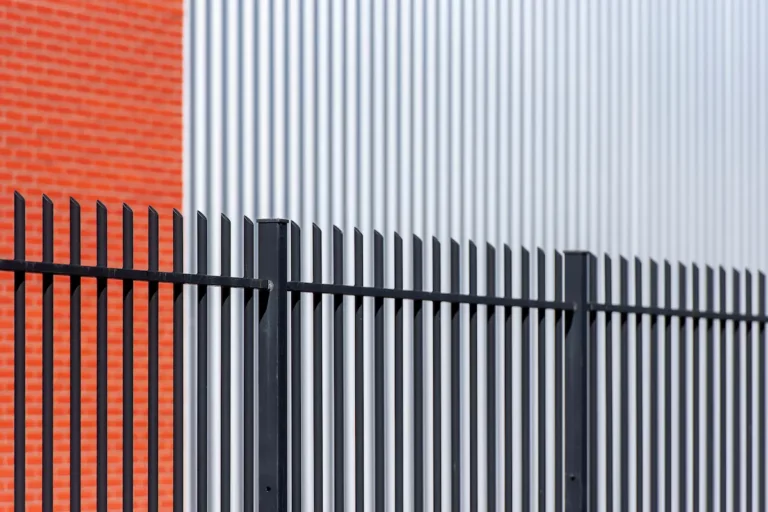
Strong and reliable fencing is an important component of any livestock facility. Fencing must safely contain animals while withstanding constant pressure and regular use. Quality stock fencing systems contribute to:
- Improved livestock control
- Enhanced worker safety
- Reduced risk of injuries
- Better separation of animal groups
- Lower long-term maintenance costs
Steel fencing solutions remain a preferred option due to their durability and resistance to demanding agricultural environments. Investing in sturdy fencing infrastructure at the outset often delivers significant value over its lifespan.
Walkways and Livestock Movement Systems
Efficient walkway systems contribute significantly to operational success. Walkways guide cattle between receiving areas, pens, handling facilities, loading zones, and treatment areas. Well-designed walkways should:
- Encourage natural animal movement
- Minimise bottlenecks
- Reduce stress during handling procedures
- Improve worker safety
- Allow easier access for health inspections
The width, surface condition, and positioning of walkways all influence livestock flow. Careful planning of movement routes can improve handling efficiency and help maintain animal welfare standards throughout the operation.
Choosing the Right Partner for Farming Infrastructure
Establishing a modern livestock facility requires expertise, durable materials, and a practical understanding of agricultural operations. Chemvet Steel & Fencing supplies specialised steel products and infrastructure solutions specifically engineered and manufactured for South African farming conditions. Our decades of experience help farmers develop facilities that promote efficient livestock management and strong operational performance. If you are planning a feedlot, partner with Chemvet Steel & Fencing for dependable solutions that contribute to a safer, more productive operation.