How to Choose Stock Fencing for Goats SA: Essential Tips and Practical Advice
Goats are intelligent, endlessly curious, and quite determined to explore new surroundings and examine anything that captures their attention, making secure fencing a top priority for any South African farmer. How to choose stock fencing for goats SA requires sourcing the right materials and ensuring that the width and height of the fence keep these naturally inquisitive animals contained. As the leading manufacturer and supplier of livestock containment solutions, we at Chemvet Steel & Fencing will share some essential tips and practical advice to help you protect pastures and prevent injuries.
How to Choose Stock Fencing for Goats SA: Understanding Goat Behaviour
How to choose stock fencing for goats SA starts with a basic understanding of their behaviour. As rewarding as goat farming is, these agile animals are natural escape artists. They climb, lean, and even test fences, making them more difficult to contain than most other livestock. A securely constructed fence should be both strong enough to resist pressure and high enough to discourage jumping or climbing. Securing the surface is equally important, so not only do the materials need to be durable and the right height, but the bottom of the fence itself also needs to be buried in the ground to prevent your herd from digging underneath.
Different Types of Fencing
For goats, the tensile strength of the wire and the fence design are crucial. Options include:
- Woven wire or field fencing is often the preferred choice due to its flexibility, strength, and affordability. The tight mesh pattern prevents goats from pushing their heads through or getting caught, something that easily happens with wider apertures.
- Hinge joint fencing, although typically used for containing cattle, is also another option; however, it could prove problematic if you select panels that are not high enough.
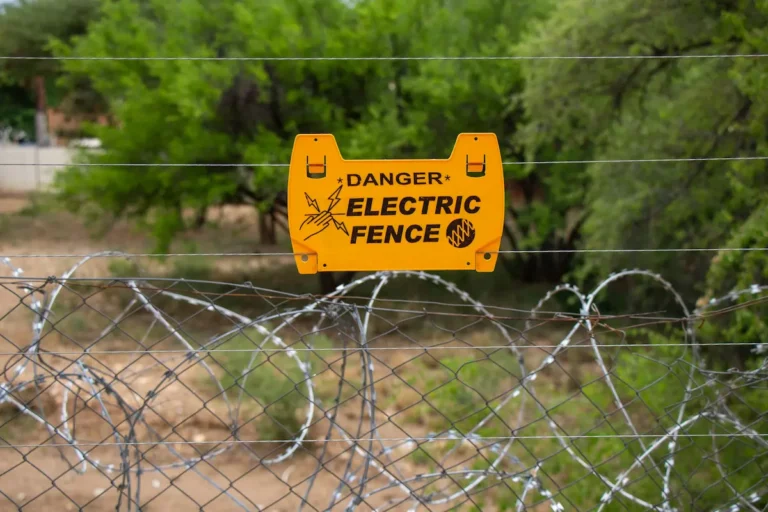
- Electric fencing can be an effective addition to a woven wire or field fence, deterring jumping goats or those that like to dig.
Height and Fence Design Considerations
As goats can easily clear low barriers, your field fence height should be between 1.2 and 1.5 metres tall, depending on the breed and size of the herd. The spacing of the mesh also matters. The openings should be 10cm2 or smaller, small enough to keep them from putting their heads through or climbing the wire. If your goats can get their heads through the apertures, chances are they will escape.
Goats often rub against fences and posts, putting added strain on the fence line. Each post must be properly secured to maintain stability and to prevent wear and tear on the fence. Corner posts should measure between 15 and 20 centimetres in diameter and be set at least one metre deep. T-posts placed along the fence line should extend a minimum of 0.5 metres into the ground, keeping the fence secure under pressure, like when goats push against the fence.
If negotiating materials, measurements, and installing posts to exacting specifications still means your goats won’t be properly contained, perhaps having your fence professionally installed might be the best option.
Helping Farmers Build for the Long Term
For over four decades, Chemvet Steel & Fencing has been the go-to specialist in superior fencing and steel products, helping farmers across southern Africa with their DIY or professional livestock containment. Our understanding of diverse farming requirements, livestock containment, and local terrain positions us as the leader in the industry. How to choose stock fencing for goats SA is as easy as putting your trust in the team at Chemvet.